

Portuguese Diamond Ring: What Makes It Different and How to Choose One
Table of Contents
- What Is a Portuguese Diamond Ring?
- The Key Features of the Portuguese Cut
- What Makes Portuguese Diamond Rings Different
- The History Behind Portuguese Cut Diamonds
- Portuguese Cut vs Other Diamond Cuts
- Why People Are Choosing Portuguese Diamond Rings
- Things to Know Before You Choose One
- How to Choose the Right Portuguese Diamond Ring
- Pros and Cons of Portuguese Diamond Rings
- Who Should Buy a Portuguese Diamond Ring
- Final Thoughts
- FAQs
If you are looking for a Portuguese diamond ring, chances are you don’t want something common. Most engagement rings today follow similar patterns — round, oval, or cushion cuts. But the Portuguese cut offers a different experience.
This diamond cut focuses more on detail, depth, and internal reflections rather than just surface shine. Because of this, it has started gaining attention among people searching for a unique engagement ring.
In this guide, we will break down everything — what this cut is, why it looks different, and how to choose the right one based on your budget and style.
What Is a Portuguese Diamond Ring?

A Portuguese cut diamond is a type of diamond cut that uses a large number of facets arranged in layers.
-
Standard round diamond → around 58 facets
-
Portuguese cut → up to 161 facets
These facets are placed on both the top (crown) and bottom (pavilion), creating a more complex structure.
The Key Features of the Portuguese Cut
Multi-Facet Structure:
The Portuguese cut has a much higher number of facets than a standard diamond. It can go over 100 and even up to 161 facets, while a round cut usually has 57–58. Because of this, light doesn’t just bounce once and come out. It moves through different surfaces inside the stone, which gives it a more detailed and layered look.
Deep Pavilion:
One of the main features of this cut is its deep pavilion, which is the bottom part of the diamond. This extra depth allows light to travel further inside before it reflects back out. As a result, the diamond looks more filled and has a deeper appearance instead of looking flat.
Crown and Table Proportion:
In this cut, the crown (top part) is usually a bit higher, and the table (flat top surface) is slightly smaller than what you see in standard cuts. This setup helps control how light enters and moves inside the diamond, making the internal reflections more noticeable.
Round Shape with a Detailed Pattern:
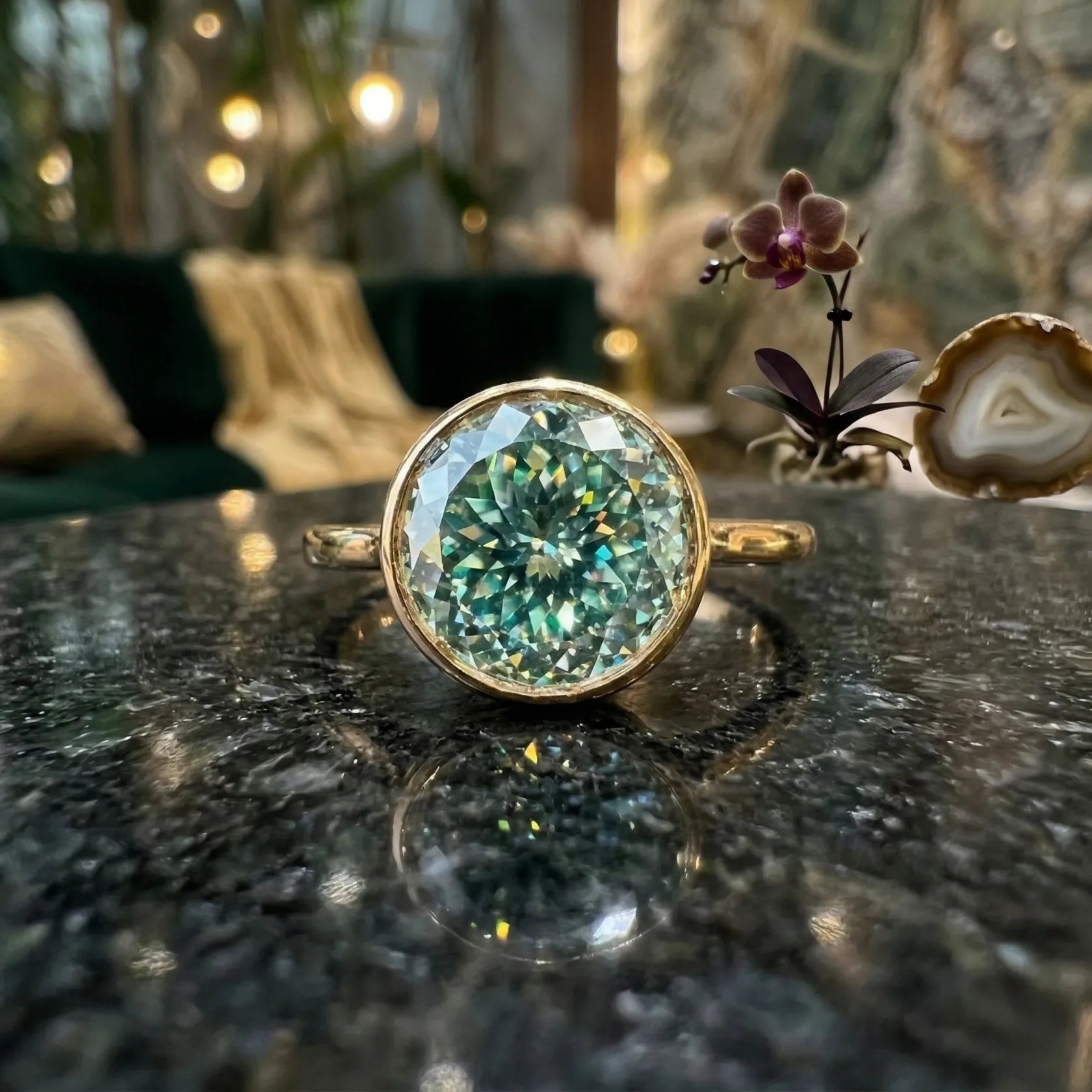
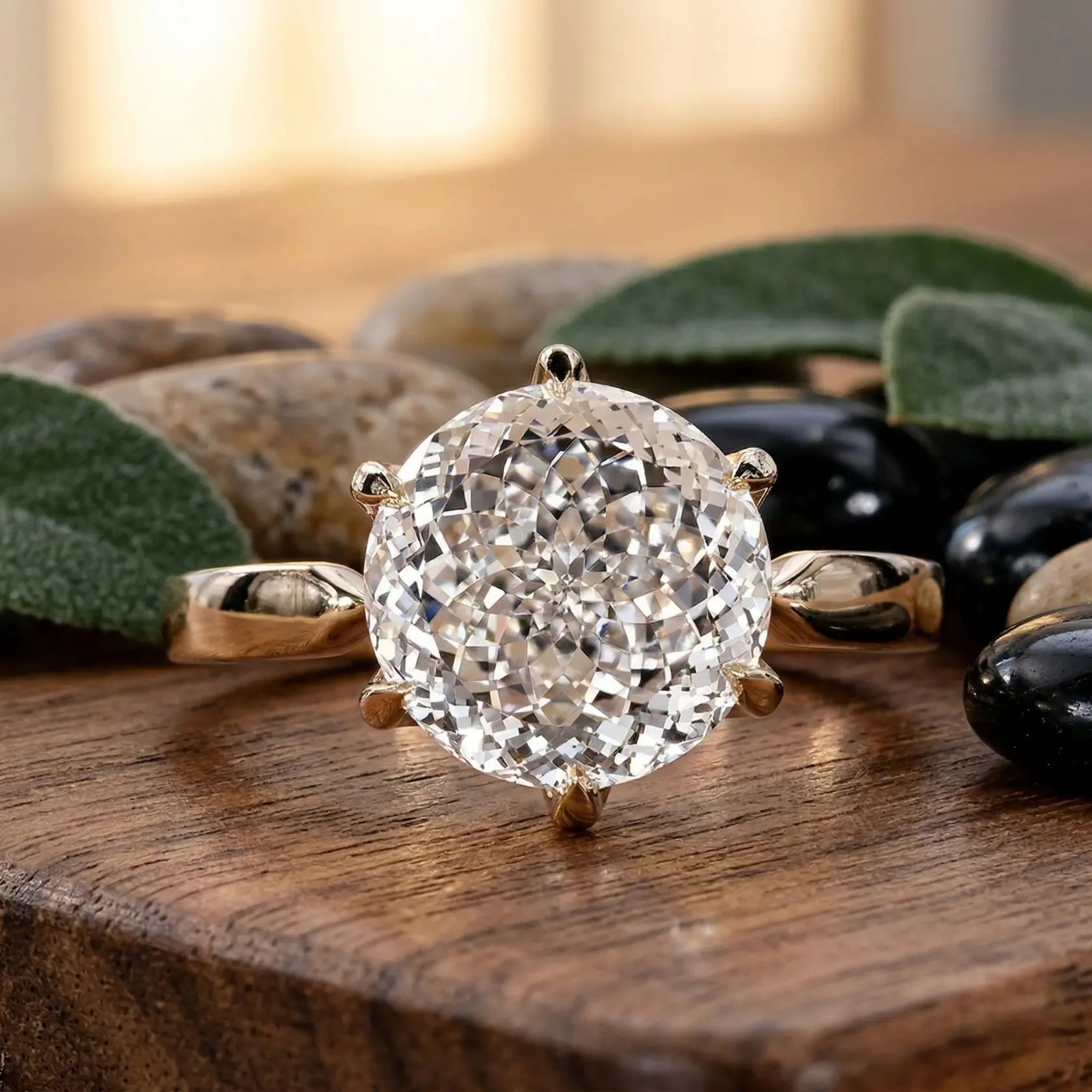
From a distance, the Portuguese cut looks like a round diamond. But when you look closer, the facet pattern is more complex. The way the facets are placed creates visible patterns inside the stone, giving it a more structured look.
Optical Performance:
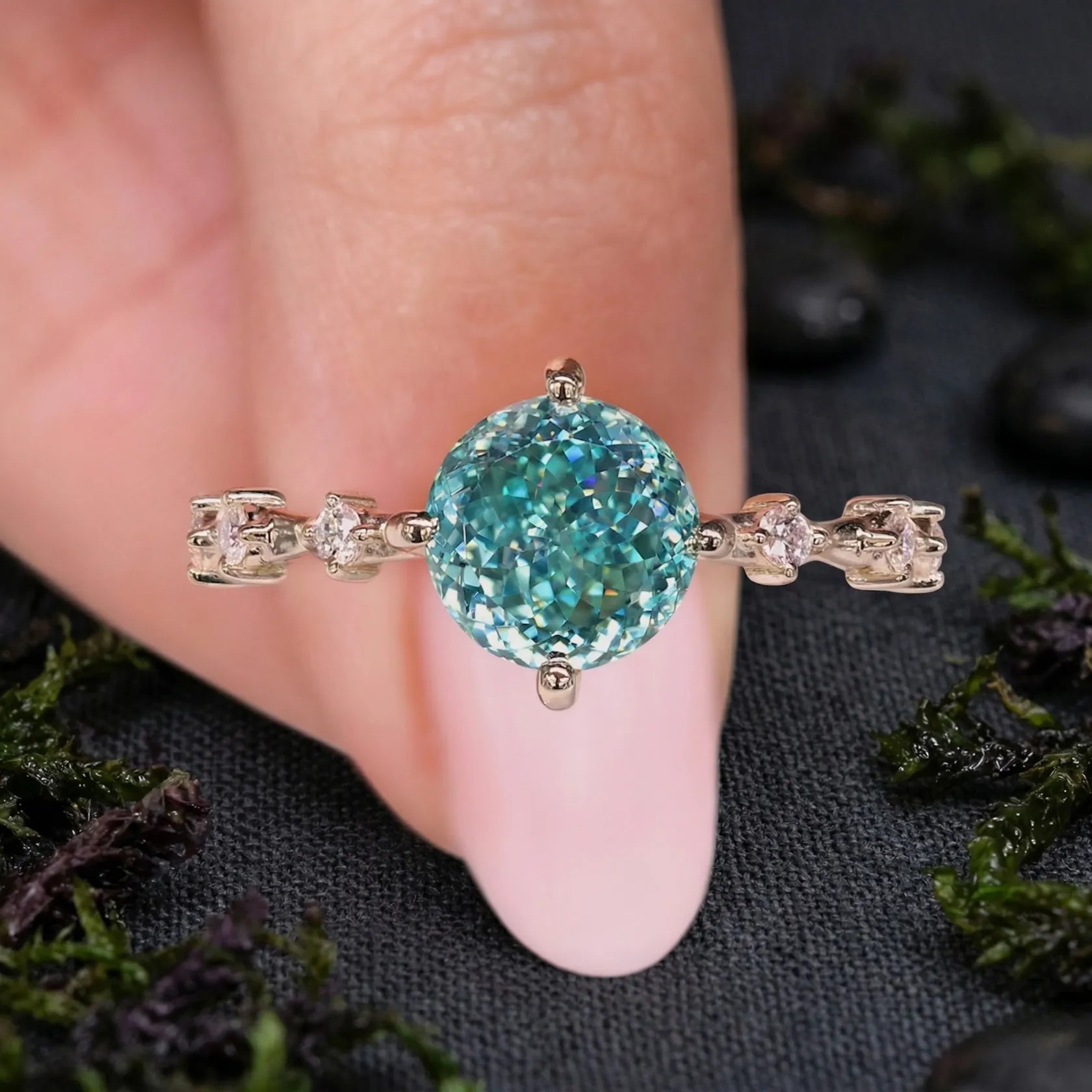
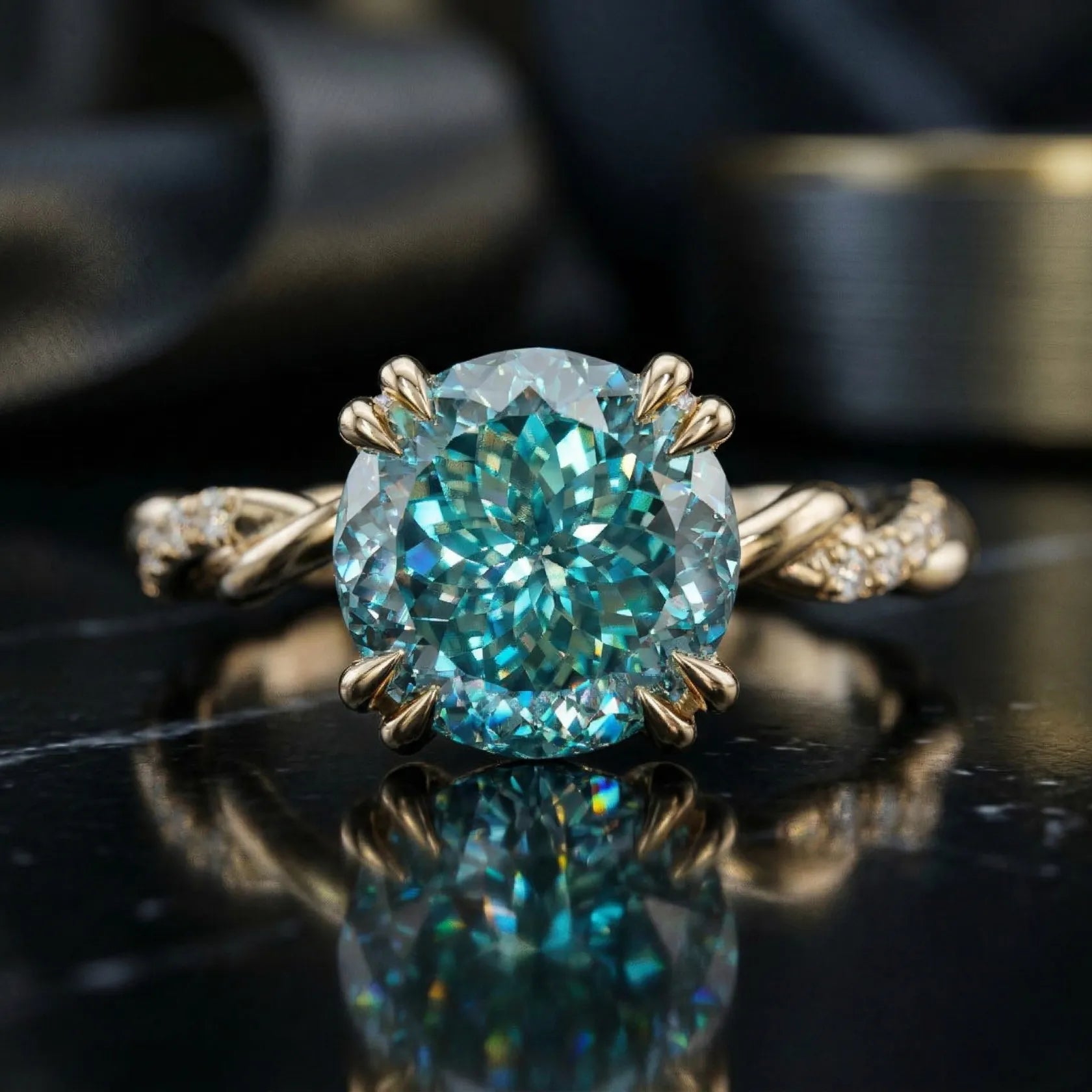
This cut is designed to change how light behaves inside the diamond. Light goes in, reflects multiple times, and then comes back out. This creates a kaleidoscope-like effect, where you can see more depth and movement compared to a regular cut.
What Makes Portuguese Diamond Rings Different
1. The 161 Facets Identity

One of the biggest reasons this cut stands out is the number of facets.
A Portuguese cut diamond can have up to 161 facets, which is almost three times more than a standard diamond.
This creates:
-
More internal reflections
-
A more filled look
-
A detailed surface
This is why it is often categorized under unique diamond facet patterns.
2. Kaleidoscope Effect Inside the Stone

Unlike the standard round cut, the Portuguese cut creates a kaleidoscope effect inside the stone, making it a masterpiece of brilliant scintillation.
Instead of simple flashes, the reflections appear layered and spread across the stone. This gives a sense of movement when you look at it from different angles.
3. Flower-Like Pattern (Top View)

When viewed from the top, the diamond often shows a flower-like pattern.
This pattern forms because of how the facets are arranged symmetrically. It gives the diamond a more decorative appearance, which is why it is often used in:
-
Vintage-inspired engagement rings
4. Different Type of Light Reflection

|
Cut Type |
Light Behavior |
|
Sharp, direct flashes |
|
|
Portuguese Cut |
Scintillating, layered reflections |
Instead of bold flashes, you get a more detailed and continuous reflection pattern.
5. Appears Slightly Larger
Due to its structure, the diamond can appear slightly larger than its actual carat weight.
This is helpful if you want a fuller look without increasing your budget too much.
6. Rare and Not Easily Available
Portuguese cut diamonds are not mass-produced because:
-
The cutting process is complex
-
It requires skilled craftsmanship
-
Time required is higher
Because of this, it is considered a rare diamond cut.
The History Behind Portuguese Cut Diamonds

The Portuguese cut has roots in older diamond-cutting techniques.
-
Origin: Europe (18th–19th century)
-
Developed during a time when craftsmanship was more detailed
-
Often used in royal and antique jewelry
Earlier, diamonds were not just about size — they were about:
-
Design
-
Depth
-
Craft
This cut reflects that mindset.
Portuguese Cut vs Other Diamond Cuts

Comparison Table
|
Feature |
Portuguese Cut |
||
|
Facets |
161+ |
58 |
58 |
|
Pattern |
Flower / kaleidoscope |
None |
None |
|
Sparkle Type |
Scintillating / detailed |
Sharp flashes |
Soft reflections |
|
Look |
Layered |
Clean |
Elongated |
|
Rarity |
Rare |
Very common |
Common |
Why People Are Choosing Portuguese Diamond Rings

More people are now choosing Portuguese diamond rings for a few clear reasons:
1. Unique Look
This cut is not commonly seen, which makes it stand out.
2. Detailed Appearance
Because of the extra facets, the diamond looks more structured and filled.
3. Works Well in Custom Jewelry
Many designers prefer this cut for custom rings because it offers more visual detail.
4. Vintage Feel
The pattern and structure give it a slightly vintage look.
5. Lab-Grown Options Available
Today, many buyers choose:
Lab-grown Portuguese diamond rings
They offer:
-
Similar appearance
-
Lower cost
-
Better availability
Things to Know Before You Choose One
Before buying a Portuguese diamond ring, here are some important things to keep in mind:
1. Detailed Look May Not Suit Everyone
Some people prefer simple diamonds. This cut has a more detailed surface.
2. Availability Can Be Limited
Not every store keeps Portuguese cut diamonds, so you may need to explore more options.
3. Cleaning Is Important
Because of many facets, dirt can settle in small areas. Regular cleaning helps maintain the look.
4. Setting Choice Matters
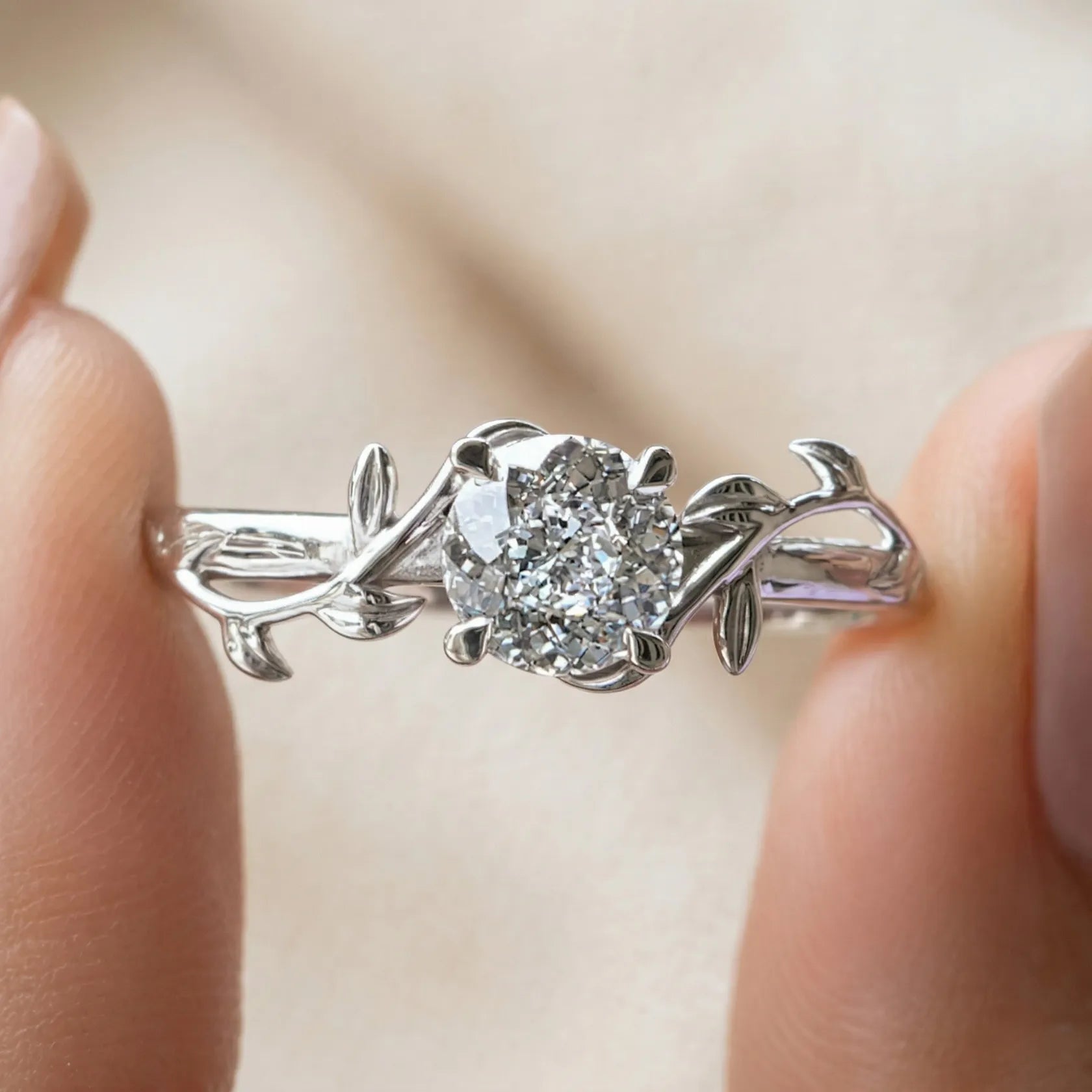
Simple settings work best:
-
Bezel
-
Thin prong
Heavy designs can make the ring look too crowded.
How to Choose the Right Portuguese Diamond Ring
Choosing the right Portuguese diamond ring is easier if you follow these steps:

1. Focus on Cut Quality
Since this cut is complex, finishing quality matters a lot.
Poor cutting can reduce the effect.
2. Understand the 4Cs
-
Cut → Most important here
-
Color → Choose near colorless
-
Clarity → Small inclusions are okay
-
Carat → Looks bigger than actual
3. Choose the Right Setting
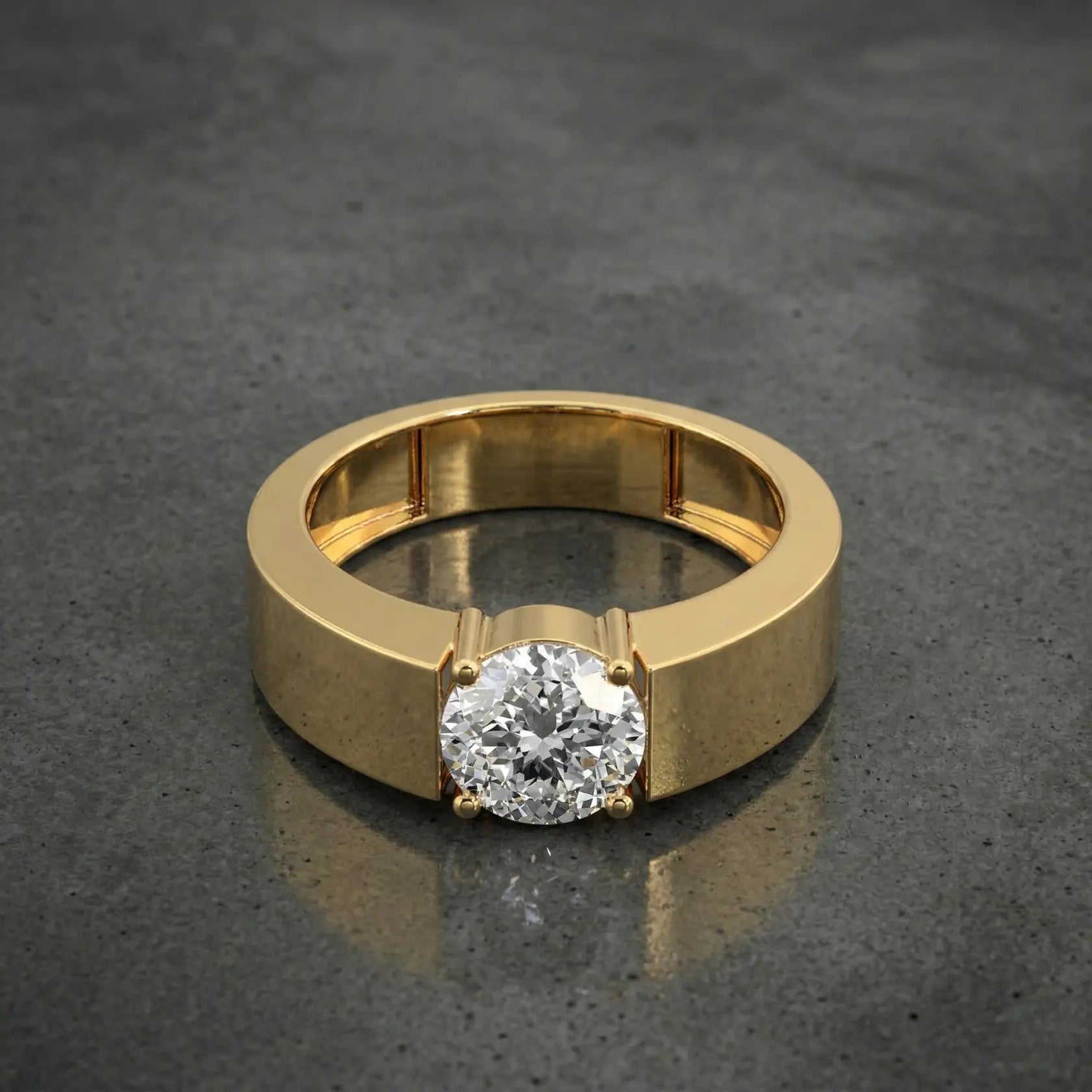
Best settings:
-
Solitaire
-
Bezel
-
Prong
Avoid very heavy designs — they can hide the detail.
4. Decide Between Natural vs Lab-Grown
|
Type |
Benefit |
|
Natural |
Traditional choice |
|
Budget-friendly |
5. Set a Budget
Price depends on:
-
Carat
-
Quality
-
Type (lab vs natural)
Pros and Cons of Portuguese Diamond Rings
✔ Pros
-
Unique design
-
Detailed surface
-
Appears slightly bigger
-
Suitable for custom rings
-
Rare
✖ Cons
-
Not widely available
-
Can look too detailed for some
-
Needs regular cleaning
Who Should Buy a Portuguese Diamond Ring
This ring is a good choice if:
-
You want something different from common diamond rings
-
You like detailed designs
-
You are looking for a unique engagement ring
-
You prefer a fuller look without increasing size too much
It may not be the best option if you prefer very simple styles.
Styling Tips
-
Pair with a plain band
-
Avoid heavy side stones
-
Choose white gold or yellow gold based on your preference
-
Keep the design simple to balance the detailed stone
Create Your Own Lab-Grown Diamond Ring
Design a ring that fits your style and budget. Choose your diamond shape, setting, and details to create something made just for you. Lab-grown diamonds give you the same look as natural diamonds with better value.
Customize Your RingFinal Thoughts
A Portuguese diamond ring is not the most common choice, but that is what makes it interesting.
It offers a different look, a layered structure, and a pattern that you do not usually see in standard diamond cuts. If you want something that feels a little more personal and less common, this is worth considering.
At Cheriva Jewels, we believe that every ring should tell a story. The Portuguese cut, with its 161 facets, is for those who want their story to be as unique as the diamond itself.
FAQs
What is a Portuguese cut diamond?
A Portuguese cut diamond is a rare and detailed diamond cut with a very high number of facets, often around 161 facets. These facets are arranged in multiple layers on both the top and bottom of the stone, creating a kaleidoscope or flower-like pattern inside the diamond. This gives it a deeper and more detailed look compared to standard cuts.
Are Portuguese cut diamonds rare?
Yes, Portuguese cut diamonds are considered rare. The cutting process is complex and requires skilled craftsmanship, which is why they are not produced as often as modern diamond cuts.
What is the highest quality cut of diamond?
The round brilliant cut is usually considered the highest quality in terms of light performance. It has around 57–58 facets and is designed to reflect light efficiently. Other shapes like oval, cushion, and pear also use a similar cutting style.
Why is it called a Portuguese cut?
The name comes from historical connections to Portugal. In the past, many rough diamonds from Brazil were sent to Portugal, where cutters developed detailed faceting techniques. This style later became known as the Portuguese cut.
Which diamond is best for a ring?
The round brilliant cut is the most popular choice for rings because it works well with many styles and settings. However, if you want something different, cuts like Portuguese, oval, or cushion can also be good options depending on your preference.
What are the 4 types of diamonds?
The four main types of diamonds are:
- Natural diamonds
- Lab-grown diamonds
- Treated diamonds
- Fancy-colored diamonds
These types are based on how the diamond is formed, treated, or its color.
Which Indian city is famous for diamond cutting?
Surat, Gujarat is known as the Diamond City of India. It handles a large portion of the world’s diamond cutting and polishing work.
